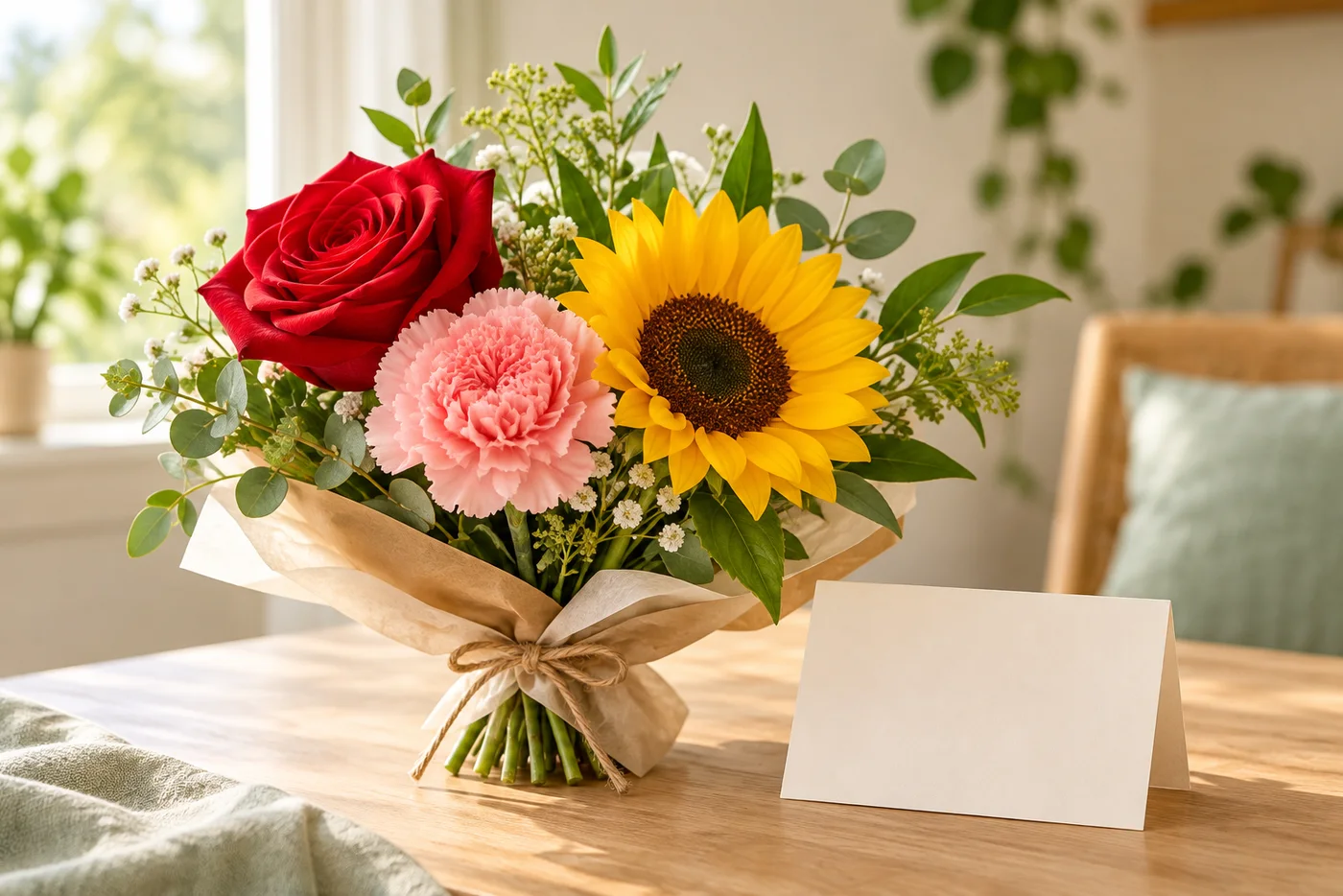
Flower meanings are cultural interpretations, not botanical rules. The same flower can mean different things in different places or periods; a personal note makes your intention clearer.
What is the language of flowers?
Floriography is a way of expressing sentiments through flowers, plants or colors. Smithsonian Gardens describes how people in the Victorian era selected flowers for bouquets to convey messages; plant symbolism has a much broader history than that one period.
Flower dictionaries, local traditions and personal memories do not always agree. Treat the examples below as starting points for a conversation, not as universal rules.
Three familiar flowers and the feelings they can suggest
Red roses are commonly associated with romantic love. They can suit a message of affection, but the recipient’s favorite flower and color may feel more personal than a conventional choice.
Some flower-language guides associate sunflowers with admiration. Their bright appearance can also suggest encouragement or cheer to the person giving them; they can be a thoughtful choice for a friend, relative or partner.
Carnations have different traditional meanings by color. Red is associated with admiration in some lists, while pink can suggest remembrance. If you are thanking a family member or teacher, explain the reason in your own words.
Does flower color change the meaning?
It can, but there is no single international color code. Yellow roses illustrate the difference: one source connects them with friendship, while a traditional flower dictionary mentions jealousy or fading love. These interpretations can coexist.
Choose a color the recipient likes and add a note saying what you intend, such as “Thank you for always being there.”
Choosing for a partner, family member or friend
A red rose is a familiar romantic choice, but a partner’s favorite flower may be better. For family, teachers or friends, a short note can make gratitude, encouragement or congratulations unmistakable.
For someone who enjoys keeping plants, a pothos or jade plant can be an alternative to cut flowers. Check whether they want a plant and have a suitable spot for it. Any symbolism attached to a houseplant remains a personal or cultural interpretation, not a promise.
Consider fragrance, pets and aftercare
Ask whether the recipient minds fragrance or pollen and whether curious pets live at home. True lilies and daylilies are especially dangerous to cats, including their pollen and vase water. Avoid those plants in a home with cats and check every stem in a mixed bouquet.
For cut flowers, start with a clean vase and water and remove leaves that would sit below the waterline. Check the needs of the individual flowers; for a potted plant, check its light, watering and safety guidance.
Turn the flower language into your own message
Explain why the flowers reminded you of the recipient: “These sunflowers made me think of the cheer you bring.” A shared memory or specific thank-you can give a bouquet a meaning that is entirely your own.
Common questions
Do yellow roses always mean jealousy or an apology?
No. Some sources associate yellow roses with friendship, while older flower dictionaries include jealousy. The recipient’s own associations and your note matter more than one list.
Are sunflowers only for romantic gifts?
No. Sunflowers can be given to friends, family or partners. Use a card to share the encouragement, admiration or other feeling you intend.
Do I have to follow flower meanings exactly?
No. Symbolism is one source of inspiration. The recipient’s preferences, household and willingness to care for flowers or plants are useful considerations.
Keep exploring
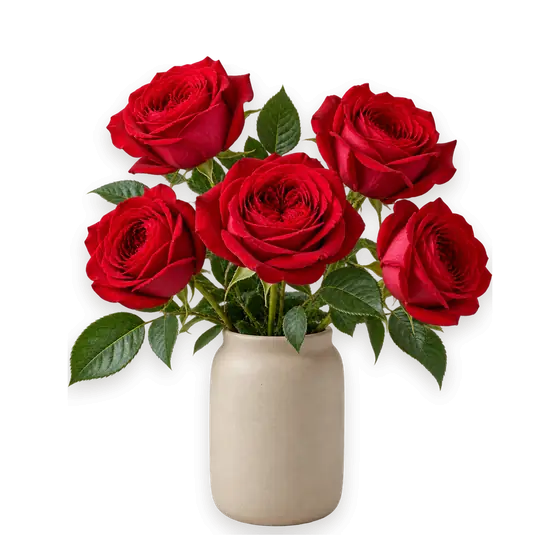 Rose meanings and cut-flower careExplore rose colors and practical vase care.
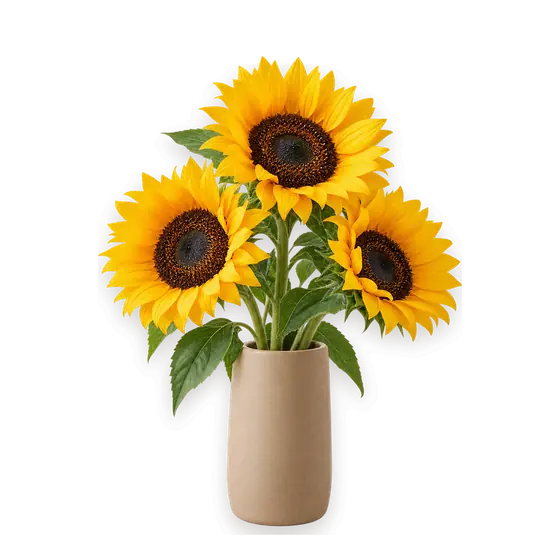 Sunflower meanings and careLearn about common associations and everyday care.
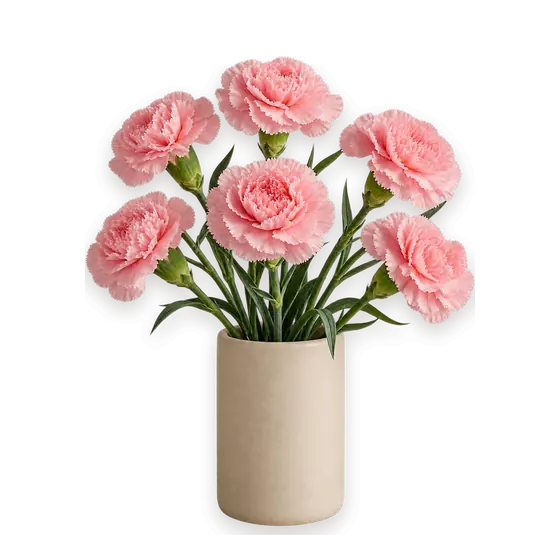 Carnation meanings and careExplore colors and caring for carnations.
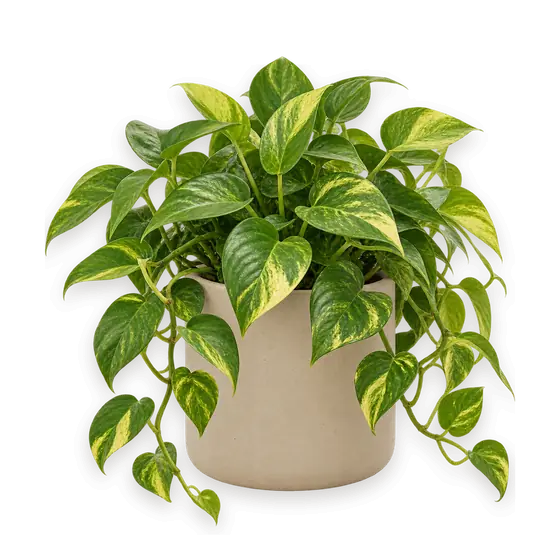 Pothos meaning and careRead about symbolism, light and watering.
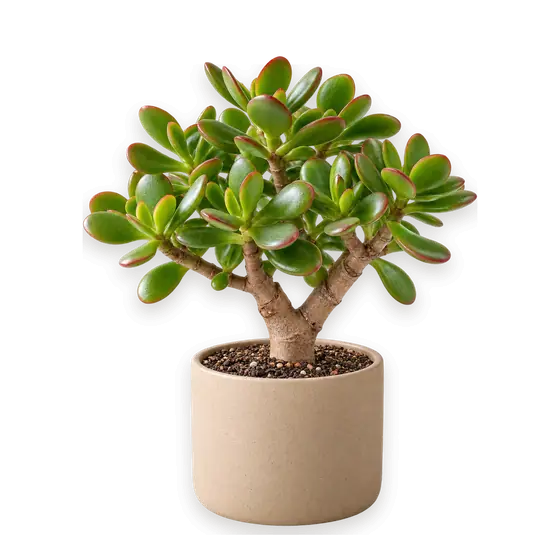 Jade plant meaning and careExplore the plant and its care needs.
Sources
- Smithsonian Gardens · Floral Fashions ↗
- University of Missouri · Floriography: When Flowers Talk ↗
- Iowa State University Extension · Flowers and Their Meanings ↗
- Oklahoma State University Extension · Symbolism of Plants in Different Cultures ↗
- FDA · Lilies and cats ↗
- Iowa State University Extension · Cut flower care ↗