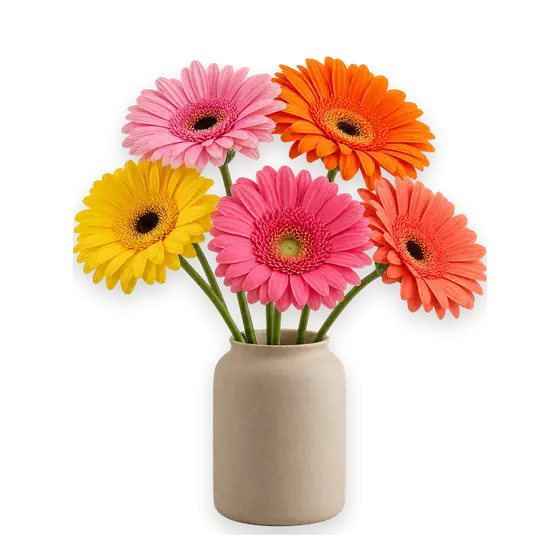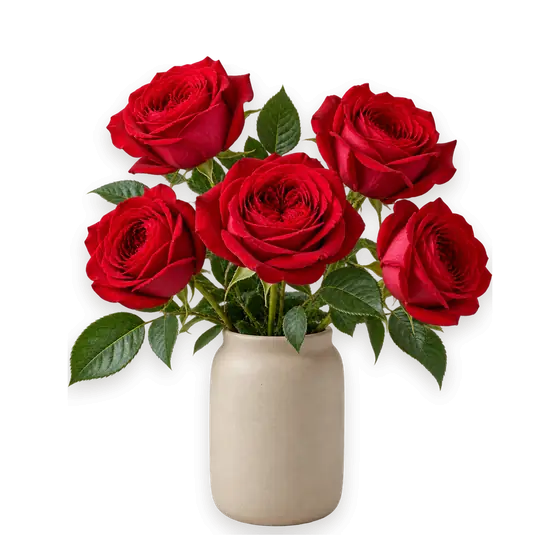
For cats and dogs, start with identified gerbera daisies, roses or sunflowers. Avoid chrysanthemums and keep true lilies and daylilies out of homes with cats. Even lower-risk flowers and decorations should be kept out of reach.
Start with identified, lower-risk flowers
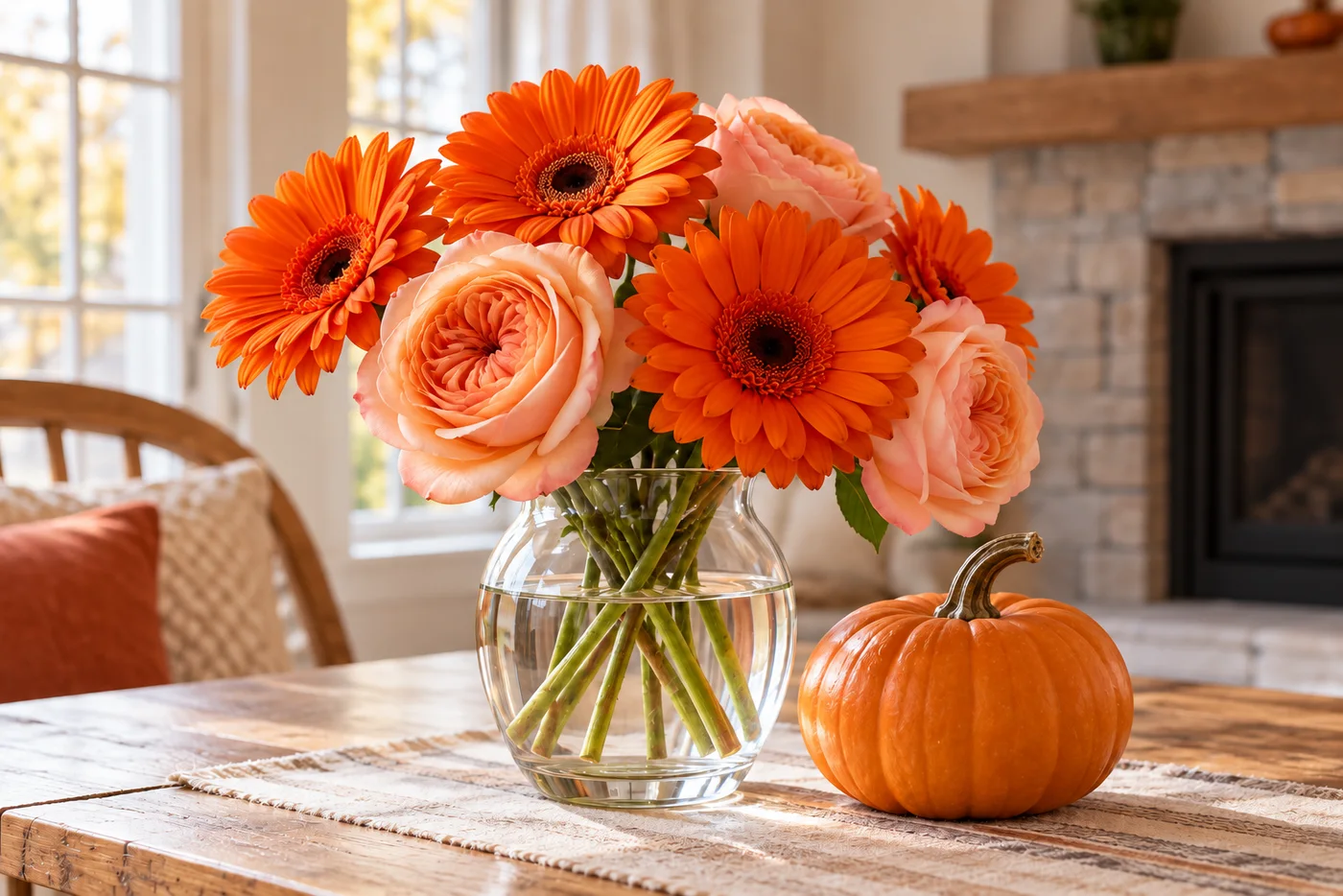
The ASPCA includes gerbera daisies (Gerbera jamesonii), roses (Rosa species) and sunflowers (Helianthus species) among bouquet choices for homes with cats and dogs. Orange gerberas or a small sunflower can provide the Halloween color; roses add a softer contrast.
Ask for the botanical names when buying a mixed bunch. A familiar common name is not enough: “daisy” can describe different plants, and a bouquet may contain more than one species.
Know which seasonal flowers to leave out
Chrysanthemums, often sold as mums and sometimes called daisies, are toxic to cats and dogs. Choose a different bloom if a pet could reach the flowers or fallen petals.
True lilies (Lilium) and daylilies (Hemerocallis) are especially dangerous to cats. Keep them out of a home with cats; even pollen exposure can be serious. Ask the florist to identify every flower rather than assuming a mixed bouquet is lily-free.
Check the whole arrangement, not just the main flower
Greenery, berries and filler stems have their own identities and risks. Request a full ingredient list, and leave out anything you cannot confidently identify for the species of pet in your home.
Roses may have thorns, and any plant material can upset a pet’s stomach if eaten. Keep flowers, loose petals, vase water and flower-food packets out of reach; use a sturdy vase that cannot easily be knocked over.
Make the Halloween extras less tempting
Skip loose string, ribbon, artificial cobwebs and small decorative pieces a pet might chew or swallow. Avoid open flames near the arrangement; battery-operated lights are a calmer alternative.
A pumpkin vase should contain a separate jar for water. Place the arrangement where it is stable, clean up fallen material, and supervise pets around new decorations.
What to do if a pet may have been exposed
Move your pet away from the plant and contact your veterinarian or a local animal poison service promptly. Have the plant name, a photograph or its label ready, along with what your pet may have contacted and when.
If a cat may have contacted a true lily or daylily, including pollen, seek veterinary advice immediately rather than waiting for symptoms. Do not give home remedies unless a veterinary professional tells you to.
Common questions
Are all daisies safe for cats and dogs?
No. Common names overlap. Gerbera jamesonii is listed by the ASPCA as a lower-risk bouquet choice, while chrysanthemums are toxic to cats and dogs. Identify the actual plant.
Is a non-toxic flower completely risk-free?
No. Eating any plant may cause stomach upset, and thorns, vase water, packaging and decorations create additional hazards. Keep the arrangement out of reach and supervise curious pets.
What if my cat touches lily pollen?
Treat possible contact with pollen from a true lily or daylily as urgent and contact a veterinarian immediately. Do not wait for your cat to appear unwell.