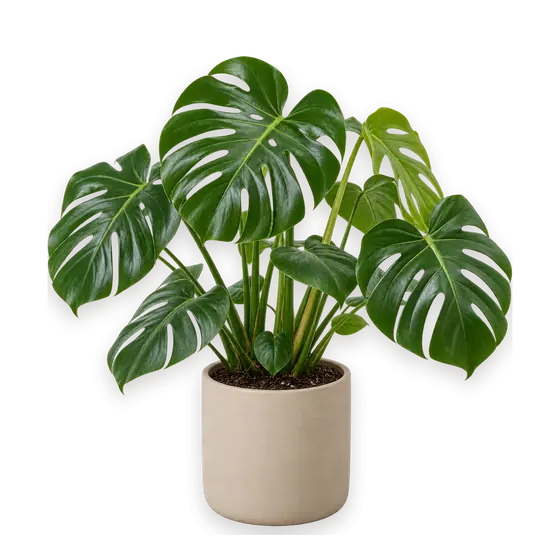
After identifying the signs, isolate the affected plant and inspect leaf undersides. If the plant tolerates it, gently rinse with water and continue checking. For products, follow local rules and the label.
Look for a combination of clues
Leaves may develop fine pale stippling, moving specks may appear underneath and fine webbing can appear in heavier infestations. Spider mites are mites and are not always red; one yellow spot or a single web strand is not enough to identify them.
Use a magnifier on leaf undersides, new growth and stem joints. Gently tapping a leaf over white paper may help. If unsure, take clear photographs and ask a local horticultural adviser.
Isolate and inspect nearby plants
Separate the suspected plant from others so their leaves do not touch. Inspect nearby plants’ leaf undersides and new growth, and clean tools and the work area after handling the plant.
Consider whether the issue is another pest, such as aphids or scale. Pests live in different places and require different management; not every speck is a spider mite.
Gently rinse if the plant tolerates water
For plants whose foliage can safely be wetted, a gentle stream of water over both sides of the leaves can remove some mites. Protect the mix and avoid leaving the pot waterlogged.
Fuzzy leaves, flowers or plants that dislike wet foliage may not tolerate a rinse. Choose a method suited to the plant. Carefully remove badly damaged leaves if useful, but do not strip most healthy foliage at once.
Follow up instead of relying on one treatment
Continue checking leaf undersides and new growth for moving specks. Existing marks usually remain, so new leaves and repeated observation provide a better indication of progress.
For a severe or recurring problem, consult local horticultural advice. If using a control product, choose one locally permitted and labelled for the plant and mites, and follow its directions. Do not spray household cleaning products on foliage.
Common questions
Are spider mites always red?
No. Their colour varies. Use moving specks, leaf stippling and fine webbing together as clues.
Does every web mean spider mites?
No. Ordinary spiders and other causes can leave webbing. Inspect the leaf undersides and look for the mites themselves.
Will damaged leaves turn green again?
Existing stippling usually remains. After treatment, watch new growth and check whether mites are still active.