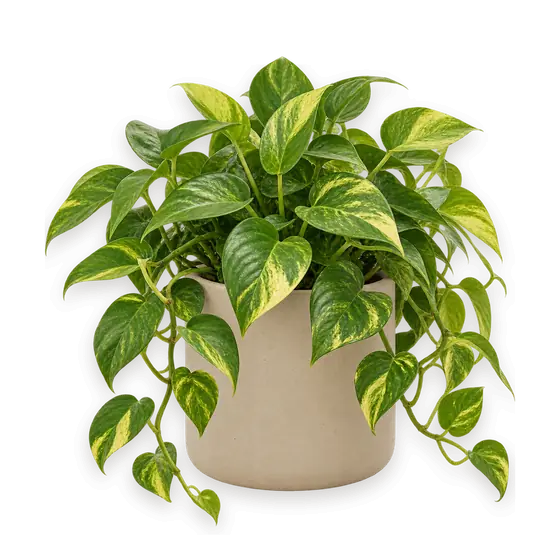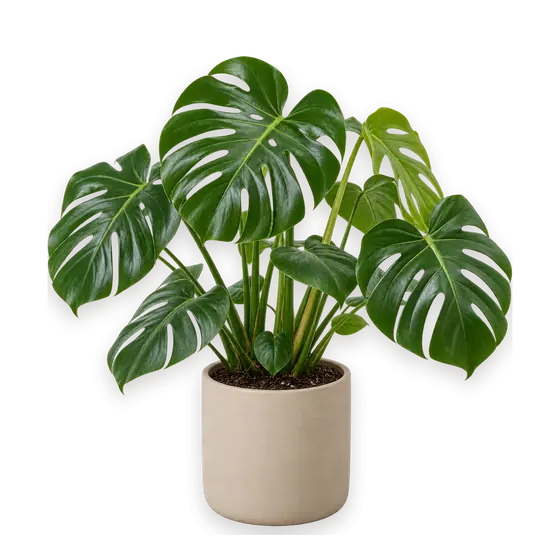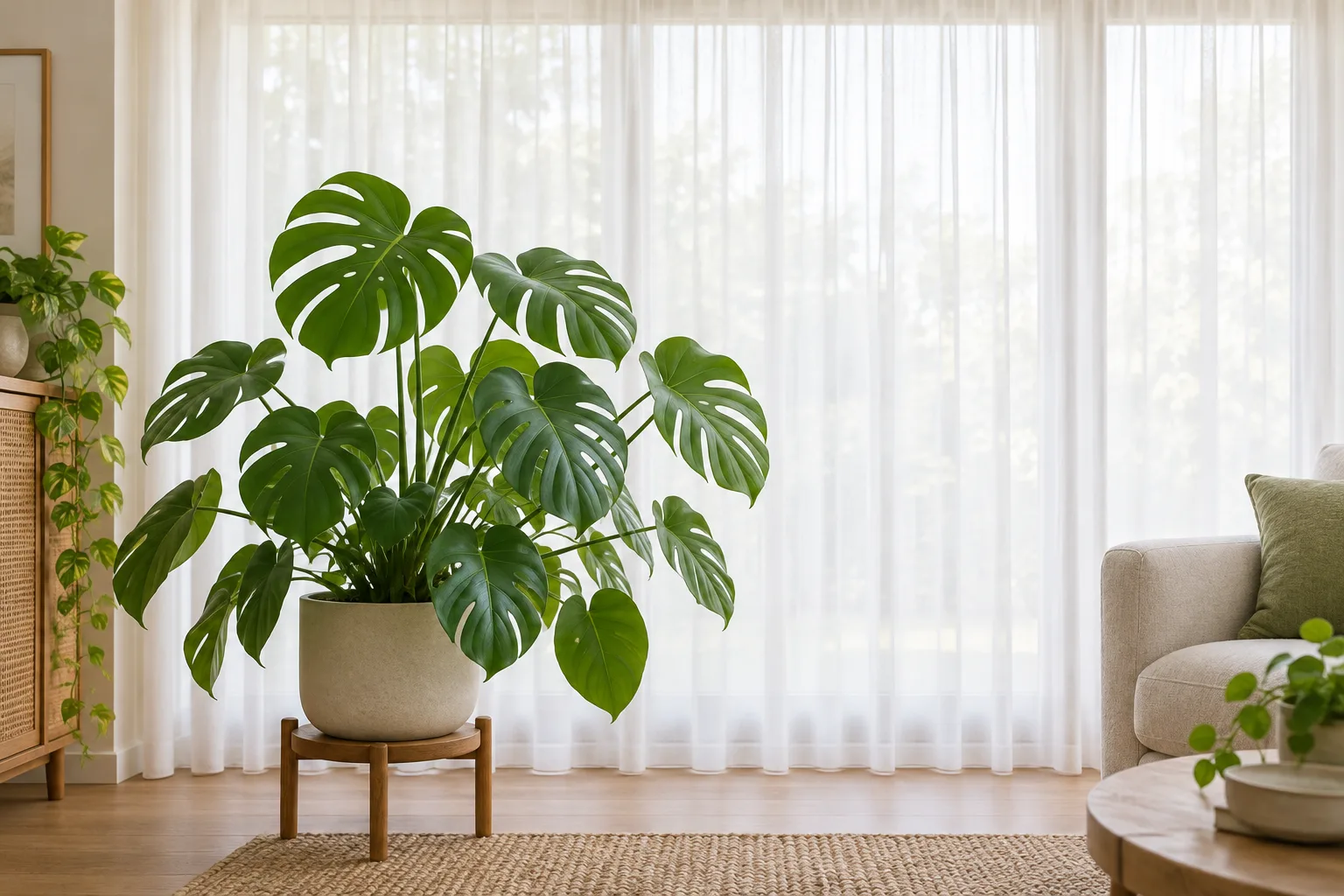
Bright indirect light generally means a bright position without sustained harsh sun striking the foliage. Window direction is only one clue; distance, obstructions, season and the plant’s needs matter too.
Indirect light is still light
A sheer curtain, clouds or the surrounding environment can diffuse sunlight while the position remains bright. Being able to read comfortably is only a rough clue, not a substitute for a plant’s specific light requirements.
A little gentle morning sun is different from intense afternoon sun. Some plants need direct light and others scorch more easily; indirect light is not a universal rule for every plant.
Observe the spot during the day
On a clear day, check in the morning, around midday and in the afternoon for sun patches on the leaves and how long they last. The same window can be much dimmer on a cloudy day, in winter or behind another building.
Light drops quickly with distance from a window. A room that looks bright to you may still be too dim deeper inside; curtains, trees and glazing also change the exposure.
Use window direction as a starting point
In the Northern Hemisphere a south-facing window usually receives more sun than a north-facing one, and an east-facing window often gets morning sun. Trees, neighbouring buildings, floor level and season can change that; the directions differ in the Southern Hemisphere.
Start with the plant’s needs and try a bright, sheltered position near a window. A sheer curtain or a little more distance may soften strong sun. A fixed distance such as one metre is not reliable in every home.
Adjust using new growth and signs of scorch
Over time, inadequate light can contribute to leaning, long gaps between leaves or smaller new leaves. These can have other causes too. Record changes and improve light gradually.
A sudden move into strong sun can cause faded or scorched patches. Move the plant out of harsh direct sun; damaged tissue generally will not return to its original appearance, so watch the new growth.
Move plants gradually
When moving a plant from a dim spot into brighter light, make the change in stages, especially near windows in summer. Watch it after each move and check the mix as well: a brighter position may change how quickly it dries.
A phone light meter or dedicated meter can help compare spots in the same room. Time, direction and the device affect readings, so treat a single number as a guide rather than the whole decision.
Common questions
Is sunlight through glass always indirect?
No. Sun through clear glass can still strike foliage directly; a sheer curtain, frosted glass or other obstruction changes the light.
Can I move a dimly placed plant straight into sun?
Avoid an abrupt move into strong sun. Increase light gradually and observe the leaves and new growth.
Is the same spot always indirect light?
Not necessarily. Seasons, weather, foliage and obstructions change exposure, so check again after a move or seasonal change.