Learn how moist your plant prefers its potting mix. Then check below the surface, notice the pot's weight and consider the leaves. Dry mix does not mean every plant needs water immediately.
Start with the plant: different plants need different moisture
This guide is for common indoor foliage plants growing in a draining potting mix. Water-grown plants, cut flowers, seedlings, carnivorous plants and plants with specialist growing media need their own care instructions.
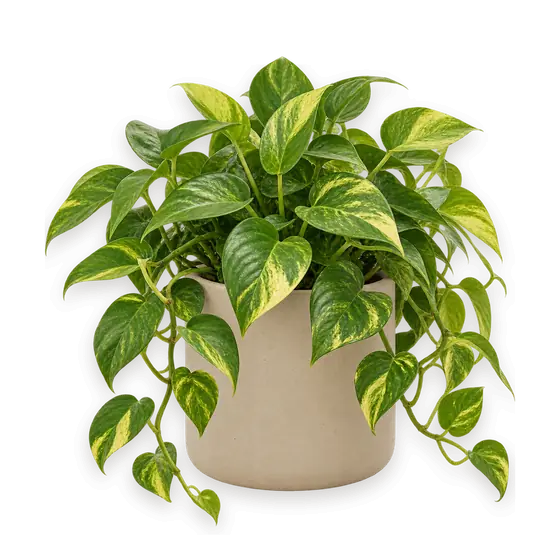
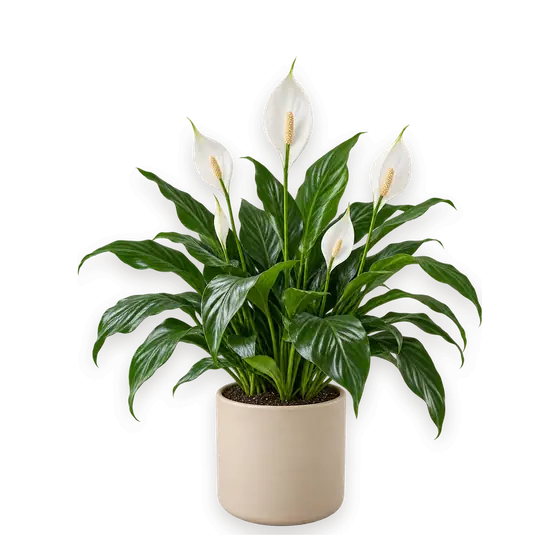
Pothos, peace lilies and snake plants do not all tolerate the same amount of drying. Checking the mix is the first step; compare the result with the needs of your particular plant.
1. Feel below the surface of the potting mix
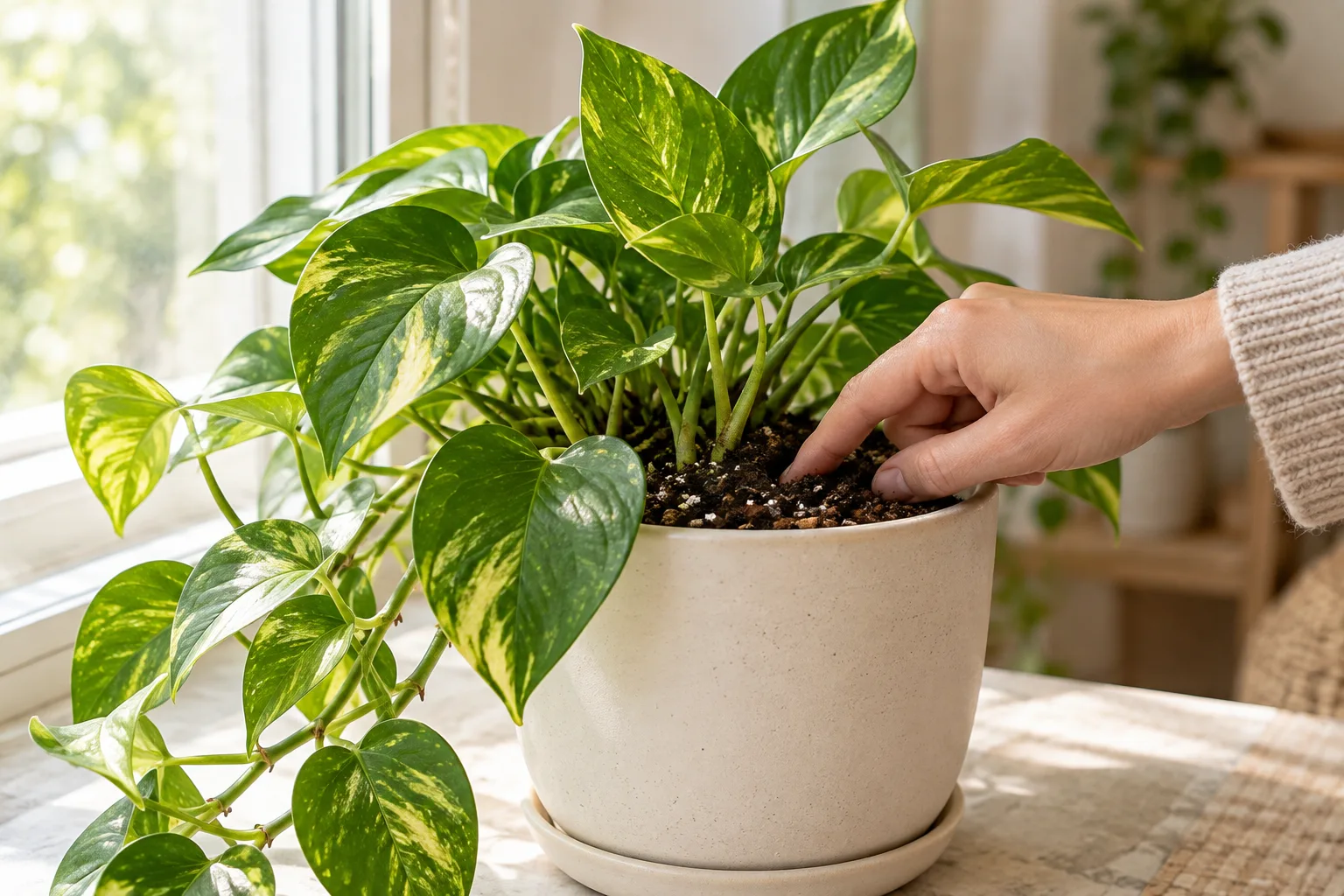
Gently insert a finger about 2 cm (roughly an inch) into the mix and feel whether it is damp or dry beneath the surface. Do not force your finger into a small pot or close to the stem if there is resistance; roots can be damaged.
If the surface is dry but the mix beneath is still damp, do not water just because the top looks pale. Note the condition and check again later. How dry the mix should become depends on the plant and pot.
2. Notice how the same pot changes weight
If a small pot is safe to lift, compare its weight after a thorough watering and drainage with its weight as the mix dries. A noticeably lighter pot is a useful clue, but not a watering instruction on its own.
Pots differ in size and material, so compare the same pot over time. If a container is too large or heavy to lift comfortably, leave it in place and use the soil check instead.
3. Look at the leaves, but do not rely on them alone
Drooping can happen when a plant is too dry, but also when the roots have stayed too wet or the plant is under another kind of stress. Read the leaves alongside the moisture inside the pot.
If the mix is dry below the surface, the pot feels light and leaves are drooping, check the plant's needs before watering. If the mix remains wet and the leaves are drooping, inspect drainage and standing water first instead of immediately adding more.
How to water once the plant is ready
For a typical soil-grown houseplant in a pot with drainage holes, water slowly over the mix until excess water comes through the bottom. Let the pot drain and empty any water collected in its saucer or cover pot.
If water runs straight down the sides, the middle of the root ball may still be dry. Stop and check the mix before deciding whether to water slowly in stages. A pot without drainage holes makes trapped water harder to assess; a draining inner pot is often easier to manage.
Make it a check-in day, not an automatic watering day
Light, temperature, airflow, pot material, growing mix and the plant's growth all change how quickly a pot dries. A regular reminder can help you check each plant without making the same watering decision for all of them.
Record what the mix felt like, the pot's weight and the date when you watered. After a few checks you will learn the rhythm of that plant in your home; check again when the weather or its position changes.
Common questions
Should I water as soon as the surface feels dry?
Not always. Check whether the mix beneath is still damp and how much drying your particular plant prefers. The surface can dry before the root ball does.
What if my plant is drooping but the soil is still wet?
Pause watering and check the saucer, drainage, roots and recent environmental changes. Drooping is not caused only by a lack of water.
Can I use the same watering reminder for every plant?
A shared reminder can be a useful time to inspect your plants. It does not mean every pot needs water on that day; their needs and drying speeds differ.